- Ayşem Mert (she/they)
- Jason Glynos (he/him)
- Elise Remling (she/her)
- Jelle Behagel (he/him)
Research Assistant
- Julia Feine (she/her)
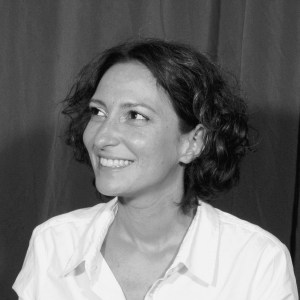
Ayşem Mert
(PI)
Ayşem Mert is Associate Professor of Environmental Politics at Stockholm University (SU) and Senior Research Fellow at the Centre for Global Cooperation Research (GCR), at University of Duisburg-Essen. Her work focuses on post-structural discourse theory, critical fantasy studies and other critical approaches to democracy and environment on various scales (particularly in the Anthropocene) and public-private cooperation in sustainability governance. Other than EPOC, her current projects are Post-Corona Global Cooperation: Imaginaries of new world orders (GCR), Occupy Climate Change! (KTH/FORMAS). She is a member of Shadow Places Network and Earth System Governance Research Programme, and she is a member of the editorial board of the journals Earth System Governance and International Environmental Agreements (INEA). Ayşem is the author of Environmental Governance through Partnerships A Discourse Theoretical Study (Edward Elgar).

Jason Glynos
Jason Glynos is a professor of social and political theory at the Department of Government, University of Essex, where he is co-director of the Centre for Ideology and Discourse Analysis (cIDA) and Essex Chair of the DeSiRe network (Democracy, Signification and Representation). He has published widely in the areas of poststructuralist political theory, focusing on theories of ideology, democracy, and freedom, the philosophy and methodology of social science, and critical fantasy studies. Through collaborative research projects Jason explores ways discourse analysis and psychoanalysis can generate critical perspectives on topics related to alternative community economies and the critique of political economy, valuation practices, and discourses about populism and democracy. He is co-author of Logics of Critical Explanation in Social and Political Theory, co-editor of Politics and the Unconscious and Discourse Theory: Ways Forward for Theory Development and Research Practice, associate editor of Psychoanalysis, Culture and Society, and international advisory board member of Subjectivity. Jason will take the lead in project module 4: Future-making.

Elise Remling
Elise Remling, is a Research Fellow at the Centre for Environmental Governance, University of Canberra, Australia. She is also an Associate Researcher with the Stockholm International Peace Research Institute (SIPRI), Sweden.
Elise has a background in both academic and policy-oriented research in the field of climate change and sustainable development. Located at the interface between human geography, political science, and development studies, Elise’s work is driven by a keen interest to shine a critical light on the social and political implications of climate and environmental changes. Elise received a PhD in Environmental Sciences from Södertörn University, Sweden, in 2019. In her thesis she explored the politics of climate adaptation decision-making by focusing on the more subtle, discursive moves in public policy discourse. Drawing on Poststructuralist Discourse Theory, she looked specifically at the role of discursive power, depoliticization and the affective fantasies animating policy responses. Her work has been published in high impact academic journals, including in Climate Policy, Environmental Politics, Climate and Development, Regional Environmental Change and Critical Discourse Studies. Elise is a Research Fellow with the Earth System Governance Project. She will be leading project module 2: Mapping.
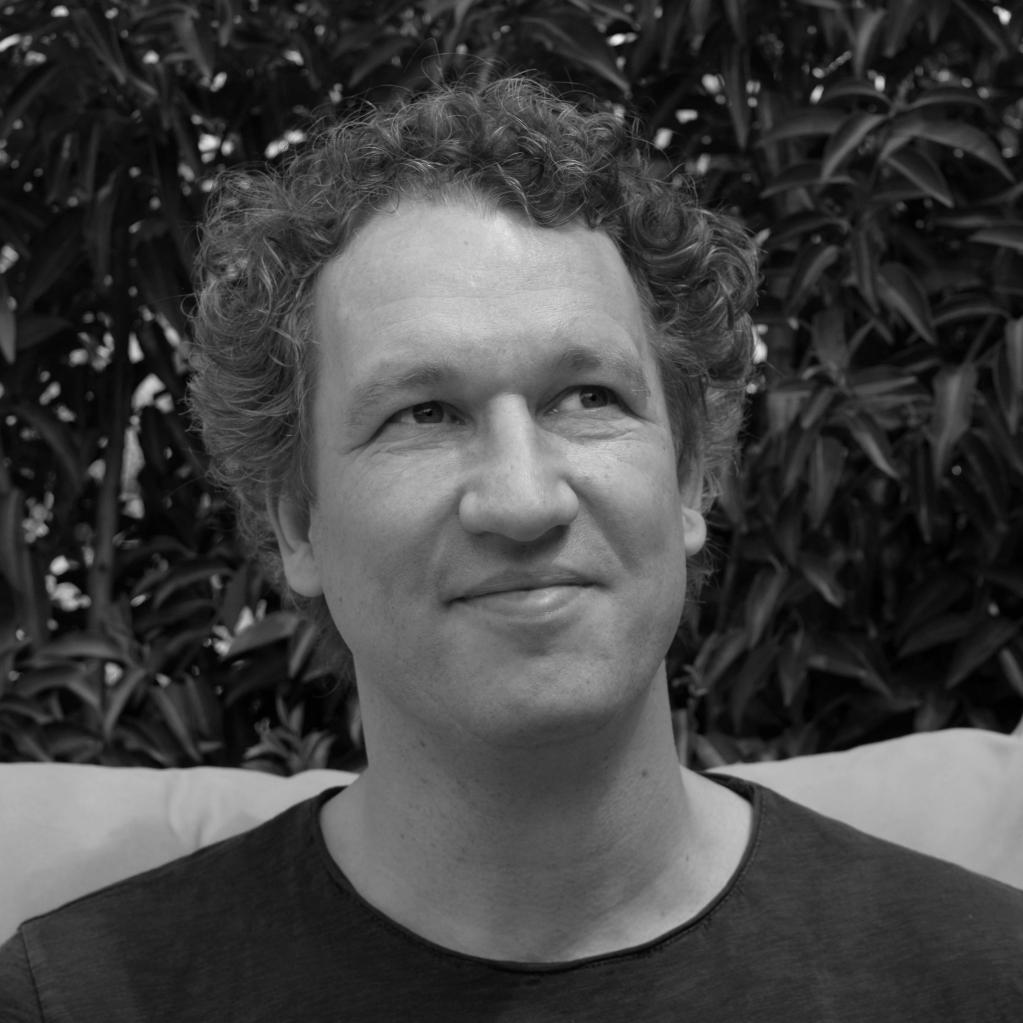
Jelle Behagel
Jelle Behagel is Associate Professor with the Forest and Nature Conservation Policy Group (FNP) of Wageningen University, the Netherlands. His expertise is in the democratic governance of nature, and how forest discourses constitute forest politics. He moreover has studied and written extensively on political practices of forest and nature conservation across the global-local nexus. Building on this expertise, Jelle works today on exploring the fantasmatic role of forest and nature in the age of the Anthropocene. He will be leading the project module 3 Negotiating.

Julia Feine
(Research Assistant)
Julia Feine works as a research assistant in the EPOC project. She graduated from Stockholm University with a master’s in Political Science with a focus on Environmental Social Studies. In her Master’s thesis, she used post-structural discourse theory to analyse future imaginaries in global ocean governance. Besides working on the EPOC project she is also employed as a research assistant in other projects at the political science department at Stockholm University. She has further experience in environmental governance from her internship at the Stockholm Resilience Centre and her former occupation as a student assistant in the project “Bio-economic Power in Global Supply Chains: Approaches, Impacts and Perspectives on Certification and DueDiligence for Biogenic Mass Raw Materials (Bio-Power)“. Julia has a background in International Relations and other research interest areas of her are future imaginaries, nature values and participatory governance practices.
 Environmental Governance Post Coronavirus Crisis